+86-20-86215789 service@adhesive-dy.com

Views: 0 Author: Site Editor Publish Time: 2026-01-20 Origin: Site
Concrete looks tough. It still cracks, shifts, and absorbs moisture. We seal it to slow damage and extend service life. Many builders choose Polyurethane Sealant because it flexes, bonds fast, and resists water. It works indoors, outdoors, residential, commercial. In this guide, we explain how polyurethane sealant works on concrete. We cover uses, benefits, and common questions.
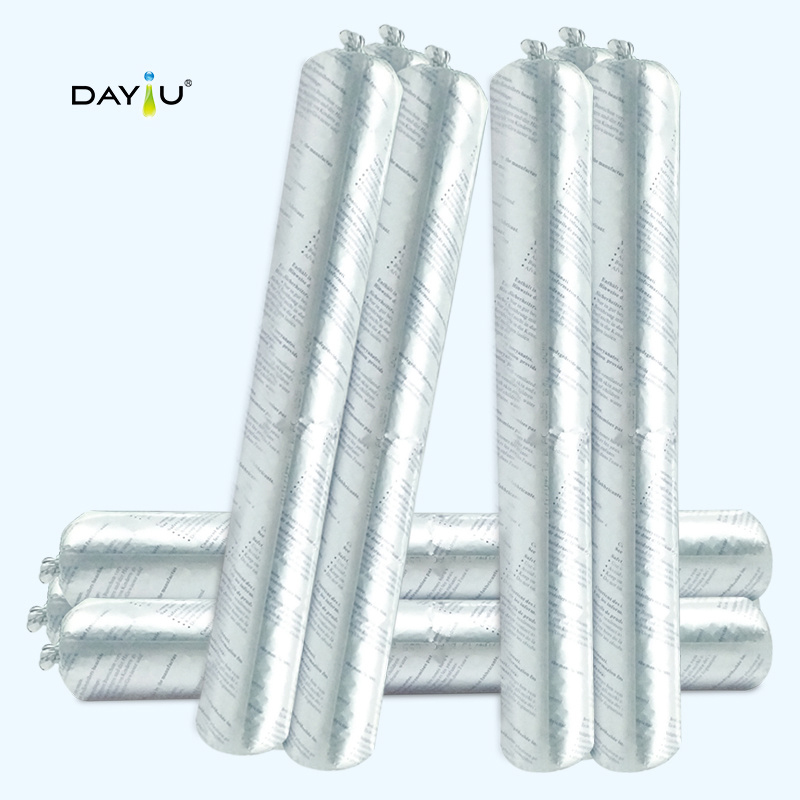
Polyurethane Sealant is a flexible, moisture-curing sealing material. It bonds strongly to porous and non-porous surfaces.
High elasticity after curing
Excellent adhesion to concrete pores
Strong resistance to water and chemicals
| Property | Typical Performance |
|---|---|
| Elongation | 300%–600% |
| Shore Hardness | Medium to high |
| Adhesion strength | Very strong |
| Waterproofing | Excellent |
One-component polyurethane sealant (ready to use)
Two-component polyurethane sealant (higher strength)
Self-leveling (for horizontal joints)
Non-sag (for walls and vertical joints)
Short answer — yes. Long answer — it works extremely well. Polyurethane sealant bonds tightly to concrete pores. It handles movement better than rigid sealers, resists water, chemicals, and traffic. We often recommend it for demanding conditions.
Concrete never rests. Traffic loads push. Weather pulls. Polyurethane sealant stretches and bridges cracks without tearing.
Polyurethane penetrates deep into concrete pores. It grips rough surfaces easily, preventing peeling or lifting.
Water causes freeze-thaw damage and corrosion. Polyurethane sealant blocks moisture paths, protecting concrete indirectly.
In garages, warehouses and factories, polyurethane resists oils, fuels, cleaning agents, and mild acids.
| Environment | Expected Lifespan |
|---|---|
| Interior joints | 10–15 years |
| Exterior joints | 5–10 years |
| Industrial joints | 3–8 years |
Expansion joints
Control joints
Cracks in slabs
Exterior surfaces like driveways and patios
Interior concrete floors and basements
Caulking gun
Polyurethane sealant cartridge
Utility knife
Wire brush or grinder
Vacuum or compressed air
Backer rod
Masking tape
Joint tooling spatula
Concrete must be clean and dry. Dust blocks bonding. Oil weakens grip. Remove old sealant, grind loose edges, vacuum, and let surface dry.
Insert backer rod in deep joints to control sealant depth and save material.
Cut nozzle at 45°, hold gun steady, move slowly. Ensure full contact and avoid gaps. Tool the bead for a smooth finish.
| Stage | Time Range |
|---|---|
| Skin formation | 30–90 minutes |
| Light handling | 6–12 hours |
| Full cure | 3–7 days |
Applying on wet or dirty concrete
Skipping primer when required
Incorrect joint depth
Using wrong type of sealant
| Feature | Polyurethane | Silicone |
|---|---|---|
| Paintable | Yes | No |
| Adhesion | Very strong | Medium |
| Flexibility | High | Very high |
| Concrete bonding | Excellent | Fair |
Yes. It blocks water, resists UV exposure, and withstands temperature fluctuations. It stands up to freeze-thaw cycles and ponded water effectively.
Modern polyurethane sealants offer low VOC options. Use ventilation during application and avoid confined spaces.
Select high elasticity and adhesion ratings
Pick correct type (self-leveling for floors, non-sag for walls)
Consider industrial vs residential grades
Explore professional polyurethane sealing products like PU Sealant for Construction and PU Sealant for Car. These provide strong adhesion and durability on concrete and other materials. :contentReference[oaicite:0]{index=0}
Can Polyurethane Sealant be painted over? Yes, most grades accept paint after curing.
Can it be used on wet concrete? No. Surface must be dry.
How thick should it be? Depth usually equals half the width of joint.
When can traffic resume? Foot traffic after ~24h, vehicles after full cure.
For moving joints, waterproofing, and durability, Polyurethane Sealant is an excellent choice. Proper installation ensures long life and fewer repairs. Quality products like those at Polyurethane Sealant deliver reliable performance. :contentReference[oaicite:1]{index=1}


