+86-20-86215789 service@adhesive-dy.com

Views: 0 Author: Site Editor Publish Time: 2026-01-22 Origin: Site
Silicone Sealant plays a key role in sealing, bonding, and waterproofing across homes, factories, and construction sites. We use it for windows, bathrooms, facades, machines, roofs, and vehicles. Yet one question appears again and again. What materials can Silicone Sealant truly bond to?
Knowing this avoids leaks, saves labor, prevents failure. It also improves durability and long-term performance. Let’s explore how Silicone Sealant works, where it performs best, and where it struggles.
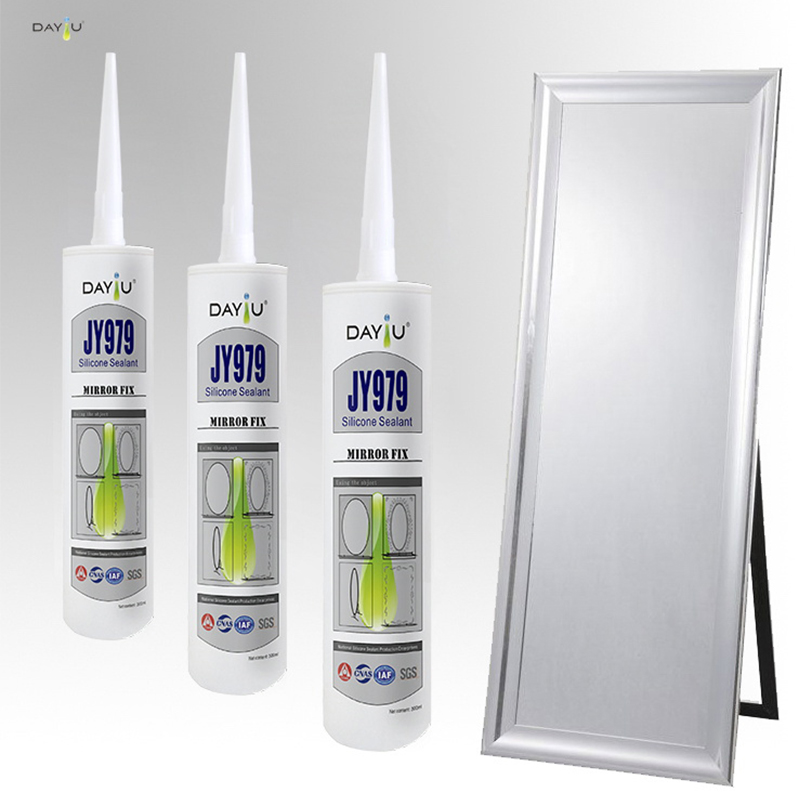
Silicone Sealant is a flexible adhesive that cures through moisture in air. Once cured, it becomes elastic, waterproof, UV resistant, and temperature stable. It does not become brittle. It moves together with joints and structures.
Silicone Sealant contains silicone polymers, curing agents, and fillers. It forms a rubber-like material after curing. It resists cracking, shrinking, and aging better than many alternatives.
Bonding happens in two main ways. First, chemical attraction forms between the sealant and the surface. Second, mechanical grip develops inside pores and micro-scratches.
Clean, dry, high-energy surfaces bond best. Low-energy or contaminated surfaces reject adhesion.
| Type | Typical Use | Main Feature |
|---|---|---|
| Acetoxy cure | Glass, ceramic | Fast curing, strong adhesion |
| Neutral cure | Metal, stone | Non-corrosive, safe |
| Sanitary | Bathrooms, kitchens | Mold resistance |
| Structural | Glazing, facades | High strength, load transfer |
Silicone Sealant bonds well to many solid, stable, clean materials. Preparation often decides success more than formula.
Glass offers excellent adhesion. Silicone Sealant forms tight, durable waterproof joints. Used widely for glazing, aquariums, shower enclosures.
Tiles, sinks, toilets accept Silicone Sealant easily. Sanitary types resist mold and detergents.
Good adhesion on aluminum, stainless steel, galvanized steel. Neutral cure Silicone Sealant protects sensitive metals from corrosion.
PVC and ABS bond well. Low-energy plastics like PE and PP resist bonding strongly.
Raw wood bonds moderately well. Painted or sealed wood shows reduced adhesion.
Porous surfaces create strong mechanical grip. Neutral cure formulas prevent staining on natural stone.
Natural rubber bonds reasonably. Cured silicone resists fresh silicone without primer.
Bonding depends on coating strength. Weak paint layers cause early joint failure.
Some surfaces block adhesion completely.
Cured silicone repels new silicone. Old material must be removed before resealing.
Polyethylene, polypropylene, PTFE reject wetting. Special primers or adhesives become necessary.
Oil films, dust, solvents prevent bonding instantly. Cleaning decides success here.
Wax and sealers reduce surface energy. Mechanical grip disappears.
Direct bonding usually fails. Preparation becomes essential for success.
Without treatment, adhesion remains weak and unreliable.
Remove old silicone completely
Clean residue carefully
Roughen surface lightly
Apply silicone primer
Dust, grease, moisture destroy adhesion. Even fingerprints reduce bond strength noticeably.
Rough surfaces grip better than polished ones. Light sanding often improves performance.
Cold slows curing. High humidity forms bubbles. Wet substrates block bonding completely.
Choose formula based on material, movement, environment.
Remove old sealant
Degrease surface
Dry completely
Lightly abrade smooth areas
Apply primer if required
Use primers on cured silicone, difficult plastics, metals under vibration.
Applying on wet surfaces
Leaving residue behind
Touching cleaned joints
Applying overly thick beads
Shower joints, sink edges, tile corners seal reliably for years.
Curtain walls, windows, expansion joints benefit from elasticity.
Engine gaskets, cable entries, machinery covers rely on silicone flexibility.
Roofing, skylights, exterior glazing resist UV and rain effectively.
Avoid for load-bearing joints. Avoid when painting later. Avoid where rigid bonding becomes necessary.
| Material | Recommended Product |
|---|---|
| General sealing | Silicone Sealant |
| Glass glazing | Acid Silicone Sealant |
| Metal, stone | Neutral Silicone Sealant |
| Structural glazing | Structural Silicone Sealant |
| Industrial bonding | Two Component Silicone Sealant |
Indoor products focus on cleanliness and mold resistance. Outdoor products emphasize UV and weather durability.
Better adhesion
Longer service life
Lower maintenance cost
Higher reliability
Does Silicone Sealant Stick to Plastic?
Yes on PVC and ABS. No on PE and PP.
Can I Apply Silicone Sealant Over Old Silicone?
No. Old material must be removed first.
How Long Does Silicone Sealant Take to Cure?
Surface skins quickly. Full cure takes 24–72 hours.
Is Silicone Sealant Waterproof?
Yes, when adhesion succeeds.
Can Silicone Sealant Be Painted?
No. Paint peels off cured silicone.
How Strong Is Silicone Sealant?
Moderate strength, excellent flexibility.
Apply steady bead size
Tool joints immediately
Inspect annually
Replace before leaks appear
Silicone Sealant bonds best to glass, ceramic, metal, concrete, PVC, and stone. It fails on cured silicone, low-energy plastics, contaminated surfaces. Success depends on product choice, preparation, and correct application.
Choose professional Silicone Sealant solutions from Jayosealant for durable, reliable bonding in every project.


