+86-20-86215789 service@adhesive-dy.com

Views: 0 Author: Site Editor Publish Time: 2026-04-02 Origin: Site
White glue, often referred to as PVA glue (polyvinyl acetate), is one of the most common adhesives used in DIY projects, arts and crafts, school activities, woodworking, and even in some industrial applications. Its versatility and strong bonding capabilities have made it a staple in many households and workshops. However, one common question many people ask when using white glue is, "How long does white glue take to dry?" The drying time of white glue can vary depending on a number of factors including the type of project, environmental conditions, and the amount of glue used.
In this comprehensive guide, we will break down the drying process of white glue, explore factors that affect drying time, and provide you with helpful tips for using it efficiently. Whether you're working on an art project, gluing furniture, or simply doing a home repair, understanding the drying time of white glue is essential to getting the best results.
White glue, commonly used in arts, crafts, and general bonding applications, dries through a process called evaporation. Initially, white glue contains a mixture of water and polymer-based adhesive. When applied, the glue remains wet because of the water content. As the water evaporates, the polymer molecules in the glue begin to bond with the surfaces they are applied to. This bonding process forms a solid adhesive bond between the materials, causing the glue to harden.
Although white glue may feel dry to the touch within a few minutes, the curing process is much slower. Curing refers to the time it takes for the glue to fully bond with the materials, and during this time, it achieves its maximum strength. This can take anywhere from 24 to 72 hours, depending on factors such as the thickness of the application, humidity, and temperature.
1. Amount of Glue Used
The amount of glue you apply directly affects how long it will take to dry. A thin layer of white glue will typically dry much faster than a thick layer, which requires more time for the water to evaporate. For best results, try to apply glue evenly and avoid over-saturating the surfaces being glued.
2. Environmental Conditions
The temperature and humidity of your environment play a significant role in drying time. In warm, dry conditions, white glue will typically dry faster because the water evaporates more quickly. Conversely, in colder or more humid environments, the drying process can take significantly longer. If you're working in a high-humidity area, you may want to consider using a fan or a heat source to speed up the drying process, but be careful not to apply direct heat, as this can cause the glue to bubble or weaken the bond.
3. Type of Surface
The material you are bonding can also impact the drying time. Absorbent surfaces like paper, wood, or fabric will soak up more of the water content in the glue, which can cause it to dry faster. On non-porous surfaces like plastic or metal, the glue will take longer to dry since the water is not absorbed as quickly. For these surfaces, be patient and allow extra drying time.
4. Glue Thickness and Application Method
The way you apply the glue can influence how long it takes to dry. A thick application will take longer to dry than a thin layer. If you're working with larger surfaces or intricate details, consider using a glue applicator or brush to spread a thin, even layer of glue to ensure even drying.
5. Air Circulation
Good air circulation is important for speeding up the drying process. Ensure that your project is placed in a well-ventilated area to allow the moisture in the glue to evaporate. Stagnant air can trap moisture and extend drying time.
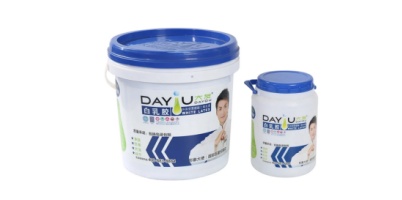
While the drying time of white glue can vary based on the factors mentioned above, here are some general guidelines to keep in mind:
The drying times for white glue can vary depending on several factors, such as the thickness of the application, humidity, temperature, and the type of materials being glued. However, there are general guidelines to keep in mind for typical drying times:
Once applied, white glue typically becomes dry to the touch in about 20 to 30 minutes. At this stage, the glue will not smear or leave residue when touched lightly. However, while it feels dry externally, the bond is still weak and will not hold materials together securely. The glue is still in the early stages of drying, and further curing is needed for full bonding.
After approximately 1 to 2 hours, white glue starts to form a light bond, meaning the materials may hold together, but they shouldn’t be subjected to significant stress or weight. For example, you can gently move the materials around, but avoid any heavy manipulation or applying pressure. At this stage, the bond is still forming, and it’s best not to disturb the glued items too much.
For the best results, white glue should be left to fully cure for 24 hours. During this time, the glue undergoes its final bonding process, achieving maximum strength. The glue has solidified its bond with the materials, ensuring they stay securely fastened together. This is the ideal curing time for most applications, providing optimal durability and strength.
In some situations, such as with thicker glue applications or in cooler, more humid environments, it may take up to 48 hours for the glue to fully dry and achieve its strongest bond. During this extended drying time, the glue continues to cure and stabilize, ensuring the strongest possible hold for heavy use. Patience during this phase is important for achieving long-lasting results, especially in projects where the bond will be subjected to heavy pressure or stress.
If you're in a rush and need to speed up the drying process, there are a few tricks you can use to help the glue dry faster:
· Increase Airflow: Use a fan to create airflow around the project. This helps evaporate the water content in the glue more quickly.
· Apply Heat: In a well-ventilated area, you can use a low heat source like a space heater to encourage faster drying. However, avoid direct heat, which could cause the glue to bubble or weaken.
· Use Thin Layers: Applying glue in thin layers will reduce the time it takes for the glue to dry. Thick applications will naturally take longer.
· Avoid Excess Moisture: If the glue is applied to a damp surface or in a humid environment, it will take longer to dry. Make sure the surfaces are dry before applying the glue.
Tip | Explanation |
Increase Airflow | Use a fan to circulate air around the project, which helps the moisture in the glue evaporate faster. |
Apply Heat | Use a low heat source, like a space heater, to encourage faster evaporation, but avoid direct heat. |
Use Thin Layers | Apply glue in thin layers to reduce drying time. Thick layers take longer to dry. |
Avoid Excess Moisture | Ensure surfaces are dry before applying glue and avoid humid environments, which slow down the drying time. |
In conclusion, white glue is a versatile and reliable adhesive for a wide range of projects. Understanding how long it takes to dry, as well as the factors that affect drying time, is essential to getting the best results. Whether you're using it for crafting, woodworking, or school projects, patience is key when working with white glue. For best results, follow the drying times outlined in this guide, and remember that full curing will provide the strongest and most durable bond.
At Guangzhou JAYO Technology Co., Ltd., we specialize in providing high-quality adhesives and other products to meet your project needs. Whether you're looking for general-purpose adhesives or specialized solutions for industrial applications, we can help. Contact us today to learn more about our products and how they can assist with your next project!
1. How long does it take for white glue to dry completely?
Typically, white glue will be fully dry in about 24 hours, but it may take up to 48 hours in cooler or humid environments for a stronger bond to form.
2. Can I speed up the drying time of white glue?
Yes, you can speed up the drying process by increasing airflow or using a low heat source, but avoid applying direct heat to the glue.
3. Does the type of material affect the drying time?
Yes, porous materials such as wood or paper will absorb the moisture in the glue more quickly, allowing it to dry faster. Non-porous surfaces may take longer to dry.
4. Can white glue be used on all surfaces?
White glue works best on porous surfaces like wood, paper, and fabric. For non-porous surfaces like plastic or metal, you may need to use a different adhesive for better bonding.


