+86-20-86215789 service@adhesive-dy.com

Views: 0 Author: Site Editor Publish Time: 2026-03-30 Origin: Site
When it comes to sealing windows in residential, commercial, or industrial settings, selecting the right sealant is crucial to ensure durability, performance, and safety. Acrylic sealant, commonly known for its versatility and ease of application, is one of the most popular sealant choices on the market. At Guangzhou JAYO Technology Co., Ltd., we often get asked about the suitability of acrylic sealant for window sealing, and whether it provides the best results compared to other types of sealants.
Acrylic sealant is a type of adhesive used to seal gaps, cracks, and joints in various construction applications. Made primarily from acrylic resins, it is known for its strong bonding properties, flexibility, and smooth finish. Acrylic sealants are commonly used in areas where there is a need to prevent the passage of air, water, or sound. They are available in both clear and opaque options, offering versatility depending on the application.
Key Properties of Acrylic Sealant:
· Elasticity: Acrylic sealant can stretch and contract without losing its bond, making it perfect for areas that undergo temperature fluctuations.
· Adhesion: Acrylic sealants adhere well to most surfaces, including wood, glass, metal, and concrete.
· Ease of Use: Acrylic sealants are easy to apply, often requiring only a caulking gun, and they can be smoothed with a wet finger for a professional finish.
· Paintability: One of the unique advantages of acrylic sealant is that it can be painted over once cured, allowing it to blend seamlessly with surrounding materials.
Windows are subject to a variety of environmental conditions that can affect their structural integrity, including moisture, temperature fluctuations, and pressure. Acrylic sealant provides an excellent solution for sealing these openings due to several key factors.
Windows are often exposed to rain and humidity. Acrylic sealants form a waterproof barrier, preventing water from seeping through cracks and joints. This makes them ideal for use around window frames, especially in areas where water leakage could cause damage to walls, insulation, or flooring.
Acrylic sealant is flexible and can expand and contract with temperature fluctuations, making it highly suitable for windows. In regions with extreme seasonal temperature changes, window frames and the materials around them will shift and expand. Acrylic sealant can accommodate these movements without cracking or losing its seal, ensuring long-lasting performance.
When properly applied and cured, acrylic sealant provides excellent durability. Its resistance to UV rays and weathering makes it ideal for outdoor use, where windows may be exposed to the sun, rain, and other environmental factors. Additionally, acrylic sealants are resistant to mildew, which can be particularly important in areas with high humidity.
Acrylic sealant is generally non-toxic and safer to use than many other chemical sealants, such as polyurethane or silicone. This makes it a preferred option in residential areas, especially for homes with children or pets.
From our experience, acrylic sealant offers several benefits when used for window applications, including both aesthetic and practical advantages.
Compared to other types of sealants, acrylic sealant is often more affordable while providing comparable performance. Its cost-effectiveness makes it a popular choice for both DIY projects and professional applications.
Acrylic sealant is relatively easy to apply, even for those with limited experience in caulking or sealing. It can be smoothed out easily for a clean and professional finish, which is important for both functionality and appearance around windows.
One of the most significant benefits of acrylic sealant is its paintability. Once cured, the sealant can be painted over, allowing it to blend seamlessly with the surrounding decor. This is particularly useful in window installations where the frame and sealant need to match the overall aesthetic of the room.
Acrylic sealant doesn’t contain harmful chemicals like some other sealants, making it safe for both indoor and outdoor use. This feature makes it a popular choice for window sealing, where exposure to air, moisture, and external elements is a concern.
Benefit | Description | Why It Matters |
Cost-Effective Solution | Acrylic sealant is more affordable compared to other types of sealants. | Ideal for both DIY projects and professional applications, saving on materials. |
Easy to Apply and Finish | Easy to apply and smooth out, even for beginners. | Ensures a clean, professional finish, improving both functionality and appearance. |
Paintability | Acrylic sealant can be painted over once cured. | Allows seamless blending with surrounding decor, especially useful for window frames. |
Non-corrosive and Safe to Use | Does not contain harmful chemicals like some other sealants. | Safe for indoor and outdoor use, reducing health risks and environmental concerns. |
While acrylic sealants are a great option for many window sealing applications, they do have a few limitations that should be considered.
While acrylic sealant is flexible and able to accommodate minor movement, it may not perform well in applications where there is a lot of vibration or extensive shifting. For windows in highly dynamic environments or areas prone to structural movement, a silicone sealant may be a better option due to its superior flexibility.
Although acrylic sealants can withstand moderate temperature fluctuations, they may not be the best option in areas with extreme temperature changes. In extremely cold climates, acrylic sealants may become brittle, which can lead to cracking. For areas that experience significant temperature shifts, a silicone or polyurethane sealant may provide better performance.
Acrylic sealant typically takes longer to fully cure compared to other types of sealants. This means that it may require additional time to ensure the sealant has fully set before it can be exposed to water or other external elements. In fast-paced construction environments, the extended curing time might be a consideration.
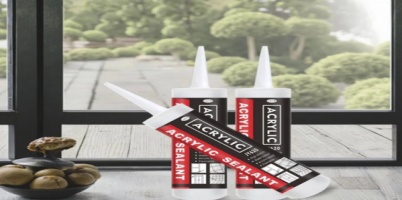
Acrylic sealant is well-suited for various types of window sealing applications, but it's important to know when it is the right choice:
· Ideal for Residential Windows: Acrylic sealant works well for sealing around windows in homes, where the conditions aren’t as extreme and where appearance is important.
· For Mild to Moderate Environmental Conditions: If you are in a region with moderate temperatures, humidity, and environmental exposure, acrylic sealant will provide an efficient and reliable solution.
· When Aesthetic Appearance is Key: Because acrylic sealant can be painted over, it is the perfect choice for window frames where the sealant must blend seamlessly with the surrounding wall or trim.
Proper application of acrylic sealant ensures that it performs at its best. Here’s a quick guide on how to apply acrylic sealant to your windows:
Make sure the area around the window frame is clean and dry. Remove any old caulking, dirt, or debris to ensure the sealant adheres properly.
Cut the tip of the acrylic sealant tube at a 45-degree angle, and apply it in a steady, continuous bead along the edge of the window frame. Be sure to apply the sealant evenly.
Use a wet finger or a caulk-smoothing tool to smooth the bead and ensure the sealant is applied properly. This step ensures a clean, even finish.
Give the acrylic sealant adequate time to dry and cure fully before exposing it to water or heavy pressure.
In conclusion, acrylic sealant is a suitable and effective option for sealing windows in many applications. It offers excellent water resistance, flexibility, durability, and aesthetic advantages, making it a popular choice for both residential and commercial uses. However, it’s important to consider the specific environmental conditions and application needs to ensure optimal performance.
At Guangzhou JAYO Technology Co., Ltd., we offer high-quality acrylic sealants designed to meet the needs of our customers. Whether you’re sealing windows in a home, commercial building, or industrial setting, we provide the right solutions for your sealing needs.
If you need further advice on selecting the best acrylic sealant or would like more information on our products, feel free to reach out to us. We are happy to assist you in choosing the right product to ensure durability, efficiency, and safety.
Yes, acrylic sealant is water-resistant and can be used to prevent water leakage around windows. However, it may not perform well in areas exposed to constant water immersion.
Yes, acrylic sealant can be used on exterior windows. It provides effective weatherproofing, though it may not be the best option for extreme weather conditions.
Acrylic sealant typically takes 24-48 hours to fully dry, depending on humidity and temperature conditions. Ensure that the sealant is fully cured before exposing it to water.
Yes, acrylic sealant is paintable once it has dried and cured. This makes it an ideal choice for windows where a seamless finish is required.


