+86-20-86215789 service@adhesive-dy.com

Views: 0 Author: Site Editor Publish Time: 2026-02-20 Origin: Site
Polyurethane sealant is widely recognized for its excellent elasticity, adhesion, and durability across a broad range of construction and industrial applications. From building façades and expansion joints to automotive assembly and infrastructure projects, polyurethane sealant plays a critical role in ensuring long-term sealing performance. However, one of the most frequently asked questions we encounter from engineers, contractors, and procurement teams is simple but important: Is polyurethane sealant UV-resistant?
The answer is not a simple yes or no. Polyurethane sealant does offer a certain level of UV resistance, but its long-term performance under sunlight depends on formulation, exposure conditions, and application design. Understanding these factors is essential for selecting the right sealant and ensuring durability in outdoor environments.
At Guangzhou JAYO Technology Co., Ltd., we work closely with industrial clients and construction professionals who demand reliable sealing solutions under real-world conditions. In this article, we explain how polyurethane sealant behaves under UV exposure, where it performs well, where limitations exist, and how to make informed material decisions for long-term outdoor use.
Ultraviolet (UV) radiation from sunlight is one of the most aggressive environmental factors affecting polymer-based materials. Over time, UV energy can break down molecular bonds, leading to surface chalking, discoloration, loss of elasticity, and reduced adhesion.
For sealants used outdoors, UV resistance is not just a cosmetic issue—it directly affects performance. A sealant that hardens, cracks, or loses adhesion under sunlight can compromise joint integrity, water resistance, and structural durability.
Polyurethane sealant was originally developed for flexibility and mechanical strength, not primarily for UV resistance. This distinction is important when evaluating its long-term outdoor performance.
Polyurethane sealant is generally classified as having moderate UV resistance, but it is not inherently UV-proof. This distinction is important when evaluating its suitability for outdoor and semi-exposed applications.
In practical terms, polyurethane sealant can tolerate ultraviolet exposure for a certain period without immediate functional failure. During the early stages of outdoor use, the sealant typically maintains its elasticity, adhesion strength, and sealing capability. However, with prolonged and direct sunlight exposure, visible surface aging is likely to occur.
Key practical observations include:
Polyurethane sealant can withstand short- to medium-term UV exposure without loss of sealing performance
Surface-level degradation may appear over time, especially in fully exposed locations
Mechanical performance often remains acceptable even when surface appearance changes
This means polyurethane sealant can be successfully used in outdoor environments, particularly where joints are partially shaded, coated, or recessed. For applications involving long-term, full UV exposure, design considerations and protective measures are often required to preserve both performance and appearance.
Rather than being unsuitable for outdoor use, polyurethane sealant should be viewed as a material that performs best when UV exposure is managed rather than ignored.
Under continuous UV radiation, polyurethane sealant undergoes a gradual surface-aging process rather than sudden structural failure. This aging typically progresses from the outer surface inward.
Common UV-related effects include:
Surface chalking: the formation of a powdery residue caused by polymer chain breakdown
Color fading or yellowing, particularly in white or light-colored sealants
Surface hardening, while the internal sealant body remains flexible
Reduced surface elasticity after extended exposure
It is important to note that these effects are primarily cosmetic and surface-level in the early and mid-stages. In many real-world applications, the sealant continues to perform its sealing function effectively even after visible aging has occurred.
This behavior explains why polyurethane sealant remains widely used in outdoor construction and industrial environments. While the surface may show signs of UV exposure, the internal structure often retains sufficient elasticity and adhesion to accommodate joint movement and prevent leakage.
The UV performance of polyurethane sealant is not fixed—it varies significantly depending on several interrelated factors.
High-quality polyurethane sealants often incorporate UV stabilizers and antioxidants that slow down polymer degradation. These additives help absorb or dissipate UV energy before it damages the polymer chains.
As a result, premium formulations can perform substantially better than basic or low-cost products, particularly in outdoor or semi-exposed environments.
UV degradation is strongly influenced by environmental exposure patterns, including:
Direct sunlight versus shaded or partially shielded locations
Geographic location and overall UV intensity
Daily and seasonal temperature fluctuations
Sealants installed in regions with high solar radiation and extreme temperature swings will experience faster surface aging compared to those in milder climates.
Joint geometry plays a major role in UV exposure. Sealants installed in recessed joints, shadow lines, or areas protected by overlapping materials experience significantly less UV stress than sealants applied on fully exposed, flush surfaces.
Thoughtful joint design can dramatically extend the service life of polyurethane sealant in outdoor conditions.
Color choice also affects UV performance. Darker colors generally resist UV-induced discoloration better than white or transparent formulations. Light-colored sealants tend to show yellowing or fading more visibly, even if mechanical performance remains intact.
Sealant Type | UV Resistance | Key Characteristics |
Polyurethane Sealant | Moderate | Excellent elasticity and adhesion |
Silicone Sealant | Excellent | Superior UV stability |
MS Polymer Sealant | Good | Balanced performance |
Acrylic Sealant | Low | Limited outdoor durability |
From a UV perspective, silicone sealants clearly outperform polyurethane sealants. However, UV resistance is only one performance parameter. Polyurethane sealant remains a preferred choice in applications where movement accommodation, mechanical strength, and adhesion to difficult substrates are more critical than maximum UV stability.
In many construction and industrial scenarios, these mechanical advantages outweigh pure UV considerations.
Despite its UV limitations, polyurethane sealant is widely and successfully used outdoors when applications are properly designed and specified.
Typical outdoor uses include:
Expansion joints with partial shading, such as façade joints and structural gaps
Concrete joints protected by coatings or finishes, where UV exposure is indirect
Prefabricated building elements, where sealants are shielded by profiles or panels
Automotive and transportation components, where exposure is intermittent
Industrial equipment enclosures, often located in controlled or semi-covered environments
In these scenarios, polyurethane sealant delivers long service life, reliable sealing, and excellent movement performance. When UV exposure is managed through joint design, color selection, or protective coatings, polyurethane sealant remains a highly effective outdoor sealing solution.
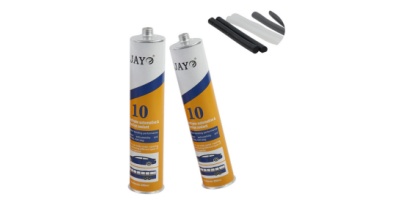
To extend the lifespan of polyurethane sealant under UV exposure, professionals often apply one or more of the following strategies:
Overcoating with UV-resistant paint or coating
Designing recessed joints to minimize direct sunlight
Selecting darker or UV-stabilized formulations
Combining with protective trims or covers
These approaches significantly improve durability without sacrificing the mechanical advantages of polyurethane sealant.
Polyurethane sealant remains a trusted material in industries where flexibility, adhesion, and strength are essential:
Industry | Typical Application | UV Consideration |
Construction | Expansion joints, façades | Often protected or coated |
Automotive | Body sealing, vibration joints | Limited direct UV exposure |
Infrastructure | Bridges, precast elements | Designed for partial exposure |
Manufacturing | Equipment housings | Controlled environments |
Selecting the right polyurethane sealant requires evaluating:
Expected UV exposure level
Joint movement requirements
Substrate compatibility
Maintenance expectations
A professional supplier should support this process with technical data, application guidance, and formulation options.
At Guangzhou JAYO Technology Co., Ltd., we develop polyurethane sealant solutions with real-world performance in mind. We understand that UV resistance is only one part of a broader performance equation that includes elasticity, adhesion, durability, and ease of application.
Rather than promoting polyurethane sealant as a universal solution for every UV-intensive application, we focus on matching the right formulation to the right environment. Through proper material selection and application design, polyurethane sealant continues to deliver reliable performance across a wide range of outdoor and industrial uses.
So, is polyurethane sealant UV-resistant?
The answer is partially.
Polyurethane sealant offers moderate UV resistance and performs well in many outdoor applications when exposure is controlled or mitigated through design and protection. While it may not match silicone sealant in pure UV stability, its superior elasticity, adhesion, and mechanical strength make it an essential sealing material in construction and industry.
At Guangzhou JAYO Technology Co., Ltd., we help clients select polyurethane sealant solutions that balance UV performance with long-term durability and structural reliability. If you are evaluating sealant options for outdoor or industrial projects, we welcome you to contact us for technical support and tailored recommendations.
Q1: Is polyurethane sealant suitable for outdoor use?
Yes. Polyurethane sealant can be used outdoors, especially in applications with limited direct UV exposure or when protected by coatings.
Q2: Does UV exposure affect polyurethane sealant strength?
UV mainly affects the surface. In many cases, internal elasticity and adhesion remain intact for years.
Q3: How can UV resistance of polyurethane sealant be improved?
Using UV-stabilized formulations, protective coatings, and proper joint design significantly improves performance.
Q4: Should polyurethane sealant be painted for outdoor use?
Yes. Painting polyurethane sealant with UV-resistant coatings is a common and effective practice.


