+86-20-86215789 service@adhesive-dy.com

Views: 0 Author: Site Editor Publish Time: 2026-05-10 Origin: Site
Achieving a seamless, color-matched finish is entirely possible. You just need the correct sealant base. Many DIYers and professionals feel frustrated when paint slides right off newly sealed joints. Silicone naturally repels moisture, ruining your intended aesthetic. In contrast, acrylic offers a highly paint-friendly surface. Industry professionals consider Acrylic Sealant the absolute gold standard for over-painting. They frequently refer to it as decorator's caulk.
However, your project's success depends heavily on specific conditions. You must observe proper curing times. You must understand joint movement limits. You must also exercise careful paint selection. This guide provides a complete technical breakdown of the painting process. You will learn how to properly prepare, prime, and coat your joints. We will show you exactly how to ensure long-term adhesion. Following these expert methods prevents frustrating cracking or flaking down the line.
Yes, it is highly paintable: Acrylic sealant is specifically formulated with water-based polymers that accept both latex and acrylic paints flawlessly once fully cured into a vinyl-like solid.
Curing time is non-negotiable: Standard acrylic sealants require at least 24 hours of drying time. Painting prematurely traps moisture, leading to "craze cracking" on the paint surface.
Flexibility matching matters: Acrylic sealant can handle up to 12.5% joint movement. The overlaying paint must possess similar elasticity to prevent structural tearing during thermal expansion.
Silicone substitution is a common error: If a joint actively repels water-based paint, it is likely silicone, which requires complete removal or specialized chemical-heavy hacks (like UPVC paints) to bypass.
Understanding material science reveals why this material works so well. Manufacturers formulate Acrylic Sealant using water and distinct acrylic polymers. The water slowly evaporates after application. This evaporation leaves behind a dense, vinyl-like solid substance. This solid surface possesses microscopic textures. Painters commonly call this texture mechanical "tooth." This tooth provides a perfect grip for wet paint.
Silicone sealants behave completely differently. Silicone contains hydrophobic properties. It actively repels water. Think about how a waterproof umbrella repels rain. Water-based paints behave identically when applied over silicone. They bead up and slide off. Choosing an acrylic base represents the critical first step for any painting project.
Making the right choice drives positive business outcomes. It drastically reduces expensive rework. You eliminate the need to purchase costly, factory pre-tinted sealants. You also guarantee complete aesthetic uniformity across baseboards, window frames, and interior masonry.
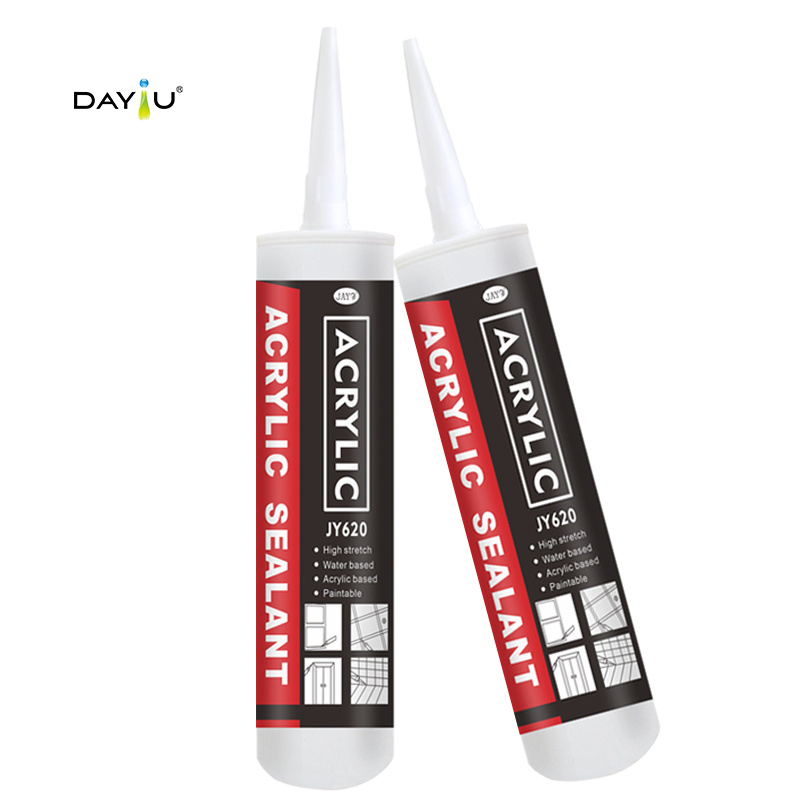
You cannot simply brush any leftover paint onto your joints. Elasticity matching remains crucial for long-term durability. Flexible joints move regularly. You must avoid using brittle, hard-drying paints over these areas. We strongly recommend highly flexible latex or acrylic paints. These water-based options perfectly match the sealant's natural movement tolerance.
Primer selection requires equal attention. Standard water-based primers often perform poorly over flexible substrates. They lack the necessary bite. We recommend high-adhesion alternatives instead. A thin coat of shellac-based primer works exceptionally well. Use shellac if your cured surface feels particularly smooth or difficult to coat.
Exercise extreme caution regarding oil-based paints. They can certainly adhere initially. However, their rigid curing profile causes problems later. They dry into a hard, inflexible shell. This stiffness directly clashes against the flexible joint underneath. You significantly increase the risk of surface cracking over time.
Paint Type | Compatibility Score | Key Characteristics |
|---|---|---|
Water-Based Latex | Excellent | High elasticity, dries quickly, moves safely. |
Acrylic Paint | Excellent | Matches the base polymer perfectly, prevents tearing. |
Oil-Based Enamel | Poor to Fair | Dries too rigidly, prone to cracking over moving joints. |
Achieving a flawless finish requires a strict application protocol. Skipping steps usually guarantees aesthetic failure. Follow this standardized process to ensure lasting results.
Step 1: Verify the Cure State. Establish a firm baseline rule. Wait a full 24 hours for traditional formulations. You must let the water evaporate completely. Advanced "paint immediately" formulas do exist today. However, you must verify the manufacturer's exact specifications before proceeding.
Step 2: Surface Decontamination. Physical cleaning remains a mandatory requirement. Ambient dust settles quickly on drying joints. Finger oils also transfer easily during installation. Lightly wipe the cured joint down. Use isopropyl alcohol or a mild mineral spirit. This removes hidden contaminants without degrading the polymer.
Step 3: Application Sequencing. Never apply one single, thick layer of paint. We strongly recommend applying two very thin coats instead. Thin layers dry evenly and consistently. This approach significantly reduces structural tension on the underlying joint.
Painting incorrectly triggers complex physical reactions. You must understand how moisture and movement interact. Avoiding these common mistakes extends your project's lifespan significantly.
The Moisture Trap (Craze Cracking): Painting over uncured material causes immediate problems. The wet paint forms a skin quickly. Meanwhile, the uncured layer underneath continues shrinking as it dries. This shrinkage physically tears the fresh paint above it. The industry calls this phenomenon craze cracking.
Uneven Stress Distribution: Painting heavily over a dynamic joint restricts natural movement. Buildings experience heavy thermal expansion daily. If the joint stretches, a hardened paint layer resists the motion. This resistance forces the material to tear internally. Your functional lifespan drops dramatically.
Loss of Surface Texture: Repeatedly applying heavy paint creates aesthetic issues. The polymer changes under thick layers. You might notice a slippery, chalky, or overly plastic finish. This texture looks entirely unnatural compared to surrounding drywall or wooden trims.
You must understand the physical limitations of your materials. Standard formulas handle roughly 12.5% physical displacement safely. High-movement joints demand a different approach entirely. For example, connecting exterior aluminum frames to brick generates massive thermal shifts. Standard formulas will fail here regardless of your paint quality.
If you face higher moisture or movement, consider alternative chemistries. You have two excellent upgrade paths. Siliconized variants act as a reliable mid-tier hybrid. They offer slightly better water resistance and extra flexibility. They remain perfectly paintable. They perform beautifully in humid indoor environments like bathrooms.
For extreme scenarios, you need commercial-grade upgrades. MS Polymers and Polyurethane represent the top tier. They easily handle massive movement exceeding 25%. They provide full waterproofing capabilities. Most importantly, they remain entirely paintable without suffering from shrinkage issues.
Material Capability Chart | |||
Material Base | Movement Tolerance | Paintability | Ideal Environment |
|---|---|---|---|
Standard Acrylic | Up to 12.5% | Excellent | Interior Dry (Baseboards, Trim) |
Siliconized Hybrid | Up to 15% | Very Good | Interior Humid (Bathrooms, Kitchens) |
MS Polymer | 25%+ | Excellent | Exterior Dynamic (Masonry, Windows) |
Acrylic stands as the undisputed champion for over-painting. It dominates interior, low-to-medium movement applications for a reason. Its unique material composition accepts latex coatings flawlessly. You avoid the aggressive peeling commonly seen with hydrophobic alternatives.
Take direct action before starting your next task. Audit your project's total movement requirements first. Determine if your gap exceeds the 12.5% expansion threshold. Always verify your required curing timelines before making a purchase. Finally, inspect the product label closely. Look specifically for the terms "Decorator's Caulk" or a clearly stated paint compatibility guarantee.
A: No. Silicone is chemically inert and hydrophobic. While niche hacks exist (like using specialized UPVC door paint or extreme sanding), the only authoritative, long-term fix is cutting it out and replacing it with acrylic or MS polymer.
A: Typically 24 hours for standard formulations to prevent craze cracking. Premium "wet-on-wet" or fast-drying acrylics can be painted in as little as 30 minutes, depending on humidity and temperature.
A: Not strictly necessary for standard latex paints, but highly recommended if using high-gloss finishes, or if the cured sealant has become contaminated with oils. Use a shellac-based primer for the best grip.


